


















25 Travel Hacks That Will Change How You Plan Trips
Travel planning often feels overwhelming, but a few strategic adjustments can transform the entire experience. This guide compiles 25 practical hacks drawn from seasoned travelers and industry experts who have refined their methods over countless trips. These techniques address everything from packing efficiency and booking strategy to on-the-ground navigation and recovery.
- Plan Intentional Long Layovers
- Prioritize Hydration and Night Recovery
- Let Rail Networks Shape Itineraries
- Reserve Midweek Private Vehicle Tours
- Pack a Filtered Water Bottle
- Choose Flexible Bookings over Bargains
- Get There a Day Early
- Add Buffers with Purposeful Backups
- Adopt a Dedicated Travel Card
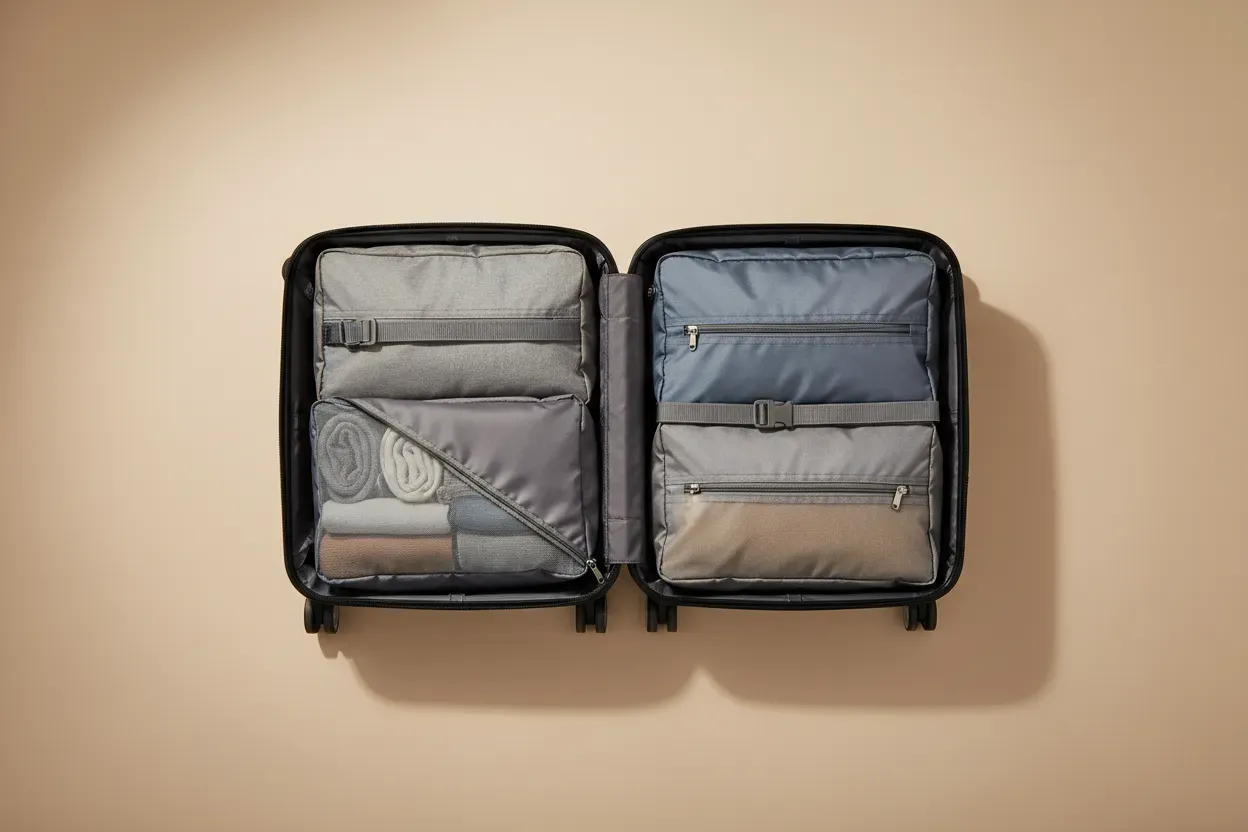
- Go Carry-On Only
- Stash a Mini Survival Kit
- Start with a Free City Walk
- Own Your First Arrival Hour
- Capture Everything Immediately Onsite
- Photograph Check-Ins to Prevent Disputes
- Apply the Two-Day Jet Lag Rule
- Ride Transit, Navigate with Google Maps
- Prearrange Airport Pickup for Reliability
- Reduce Friction, Not Just Costs
- Verify Accessibility with Real People
- Ship Essentials Ahead, Safeguard Time
- Land Late and Stay Local
- Compress Clothes with Vacuum Bags
- Keep Irreplaceable Items with You
- Rate Shop, Then Validate with Reviews
Plan Intentional Long Layovers
My favorite travel hack is purposefully booking a long layover, 18 to 23 hours, using the multi-city search function, so I get one “bonus city” without having to take extra days off. I aim to arrive by late morning, with only a carry-on in hand; I drop my bags off at luggage storage or an airport hotel, and take rapid public transport into the city. I make for one neighborhood, one good meal, one must-see spot, and a spot to catch the sunset, then make my way home with plenty of time to relax. It’s frequently cheaper than a nonstop, and instead of dealing with outsize airport anxiety over any delay, I can make delays easy sightseeing — and try cities on for size before I commit to visiting them.

Prioritize Hydration and Night Recovery
The most valuable travel hack I’ve learned is treating hydration and nighttime recovery as part of the itinerary, not an afterthought.
I avoid alcohol and sodas entirely while traveling and aggressively hydrate throughout the day. At night, I reset my system with a simple routine: a light face mist or moisturizer and a short recovery mask before sleep. It sounds small, but it consistently improves sleep quality, skin resilience, and next-day energy, especially across time zones.
This has improved my trips in a very practical way. I wake up clearer, experience less inflammation and fatigue, and need less recovery time between travel days. When you travel well hydrated and well rested, everything else works better, from walking schedules to focus to decision making.
Travel becomes easier when you protect your body’s baseline instead of constantly reacting to exhaustion.

Let Rail Networks Shape Itineraries
Hello,
I’m Hristina, a travel lover who, over the past few years, has discovered a real passion for train travel and this is my valuable travel hack — exploring places by train instead of plane.
Together with my husband, we run a travel blog checkinaway.com where we share practical itineraries and lessons learned from our own trips.
We live in London, UK, and the most valuable travel hack we’ve learned is planning trips around trains instead of flights — and letting the rail network shape the itinerary. This is particularly useful for Europe but not only.
We’ve travelled 16 days across Europe covering six countries entirely by train, explored Japan from Tokyo to Hiroshima by rail, and completed another 11-day multi-country European journey using trains only. Another rail trip is due in 2026 (we bought tickets on sale with 25% discount).
This approach has saved us money (travelling during peak times doesn’t increase the cost of travel), removed airport stress, and turned travel days into part of the experience. Arriving straight into city centres, avoiding baggage restrictions (sometimes this can be a problem), and discovering smaller, lesser-known stops such as Rothenburg ob der Tauber, Heidelberg, Vaduz, Hakone, has completely changed how we travel — and how we plan every trip today.
Examples:
* 6 countries in 16 days around Europe — https://checkinaway.com/interrail-europe-itinerary-16-days/
* Japan by train from Tokyo to Hiroshima — https://checkinaway.com/japan-travel-itinerary/
* 3 countries in 11 days around Europe — https://checkinaway.com/europe-by-train-interrail-belgium-germany-hungary/
Hope this helps.
Happy to provide more information or elaborate further, if required.
Best wishes,
Hristina

Reserve Midweek Private Vehicle Tours
The most valuable travel hack I’ve learned from constant business trips and field runs? Book mid-week private vehicle experiences over weekend crowds. Tourists flood popular slots on weekends, creating noise and chaos that ruins immersion.
Targeting Tuesday-Thursday unlocks quieter paths, undivided guide attention, and dramatically better wildlife encounters or scenic views. Learned this after peak-season disappointments where crowds scattered the magic entirely.
The concept thrives on supply-demand mismatch: operators underbook mid-week, so private vehicles become affordable luxuries. Fewer vehicles mean animals stay relaxed, guides whisper insider spots without shouting over chatter, and you control pace: no herding with noisy groups.
For business travel, it carves focused prep windows amid stunning backdrops. Costs match standard group rates without peak premiums, time efficiency doubles (deeper experiences, shorter total trips).
Implementation maximizes ROI:
Scan calendars 45 days ahead, prioritize Tuesday mornings when animals feed actively post-night hunts. Confirm private vehicle mandates (essential for immersion). This hack elevates standard tours to exclusive adventures: guests feel VIP, sightings multiply, stress evaporates.
Founders chasing weekends burn cash on mediocre; mid-week owns premium access. Every trip transforms from crowded checklist to soul-deep memory.
Pack a Filtered Water Bottle
Here’s my simplest advice for anyone going to Hawaii. Bring a water bottle with a filter. What exhausts you on the islands often isn’t the hiking; it’s just dehydration, and those bottled water prices add up. I use mine on the trails; it saves me a ton of money, and I use way less plastic. It’s a small change that’s made a big difference for me and for everyone I’ve taken there.

Choose Flexible Bookings over Bargains
As a guide, I always tell travelers that a great trip starts long before boarding the plane.
The most valuable travel hack I’ve learned and truly embraced in November 2023 is choosing flexibility over the lowest price.
For years, like many travelers, I booked non-refundable flights and hotels to save money.
But I saw too many situations where a simple delay, unexpected fatigue, or the desire to stay longer turned those small savings into real frustration. Since then, I consistently recommend changeable flights, hotels with free cancellation, and itineraries that include breathing room between stops.
This approach has dramatically improved both my own trips and those of the travelers I guide.
It allows people to adapt without stress, extend stays in places they enjoy, and adjust routes when conditions change.
From a guide’s perspective, flexibility creates true freedom. It transforms rigid plans into smooth, enjoyable journeys that adapt naturally to real travel conditions.

Get There a Day Early
I’ve set up glamping sites on six continents, and the hack that’s changed everything for me is this: always arrive 24-48 hours before you actually “need” to be somewhere. When we deployed tents in the jungles of Central America, that buffer day saved us when our freight got held up at customs–we had time to problem-solve instead of panic.
That extra day isn’t just logistics insurance. I use it to scout the actual site conditions, talk to locals about weather patterns, and adjust my setup plan. In Australia, that pre-day revealed the beach location flooded during high tide–something no one mentioned in emails. We moved the entire site 100 feet inland and avoided disaster.
The cost is usually one extra night of accommodation, maybe $100-200. But I’ve avoided thousands in rushed shipping fees, last-minute gear replacements, and straight-up project failures. When you’re working in remote or unfamiliar locations, that time buffer is the difference between a successful setup and a catastrophe.
Add Buffers with Purposeful Backups
I’ve spent 15+ years moving people around Brisbane and beyond, and the best travel hack I’ve learned is this: **always build buffer time into your itinerary, but fill it with a backup plan, not just empty space.** Most people either pack schedules too tight or waste hours with nothing planned.
Here’s what I mean–when I’m organizing tours to Stradbroke Island, I always add 30-45 minutes of flexible time. But instead of leaving it blank, I identify a quick detour option like Brown Lake or a lookout point. If we’re running smoothly, guests get a bonus experience. If something delays us (weather, traffic, toilet breaks), we’re still on schedule without stress. Win-win either way.
I learned this the hard way during my ski instructor days overseas. I’d plan lessons back-to-back with zero cushion, and one late client would domino the entire day into chaos. Now with Brisbane360, we’ve never cancelled a booking because we plan for problems before they happen. That same principle works whether you’re touring Queensland or just trying to catch a flight–assume something will take longer, but have something worthwhile ready to fill the gap if it doesn’t.
The difference is huge. Our senior groups especially love this because they’re not rushed, but they’re also not sitting around bored waiting for the next thing. They get more value, we stay relaxed, and everyone actually enjoys the journey instead of stressing about the clock.

Adopt a Dedicated Travel Card
My most valuable travel tip comes from personal experience: keeping spending money separate from my main bank account before I travel. I load a fixed amount onto a prepaid or travel card and treat it as my travel budget, rather than using my primary debit or credit card abroad.
This approach has made a huge difference in two key ways. Firstly, it eliminates surprise costs. I know exactly how my card works and how much is available, so I’m not hit with unexpected exchange rates, ATM fees, or weekend markups. I no longer worry about hidden charges appearing after I return home. Secondly, it adds a layer of security and mental clarity. If my card is lost or compromised, my core finances remain untouched, and replacing or freezing the card is a straightforward process.
What really surprised me was how much this reduced decision fatigue while travelling. I no longer constantly check my balance or second-guess purchases. My budget is set, spending is visible, and I can focus on the trip itself. This single change has made travel feel calmer, more predictable, and far less stressful overall.

Go Carry-On Only
Learn to travel carry-on only. No waiting at baggage claim, no lost luggage anxiety, no checking bags at 5am. You land and you leave. It forces you to pack smarter and you realize you never needed half the stuff you used to bring anyway. It’s turned stressful travel days into smooth ones.

Stash a Mini Survival Kit
I always stuff a small reusable bag in my carry-on with snacks, a poncho, and a phone charger. It sounds simple, but this has saved me so many times when my phone is dying or it starts raining unexpectedly. This little bit of prep makes traveling so much less stressful, especially when I’m wandering around a new city and don’t know where anything is.

Start with a Free City Walk
Hello – this is Meredith Thomas, owner and lead travel writer for Two Packs And A Pup. Here is a short quote for your article from our first-hand experience traveling full-time for the last two years:
Start every trip with a free walking tour. It’s the quickest way to get familiar with the city’s layout, important sites, history, and culture. Plus, your local guide will give you the best tips on what else to see, where to eat, and any special events happening while you’re in town – it’s like a vacation cheat code!
If you’d like a specific example, feel free to add the following:
Guruwalk is our favorite provider, offering tip-based tours in over 800 cities in 100 countries! Learn more here: https://www.guruwalk.com/?ref=rz369uv5zklh6zaca7eb
Happy to expand if you’d like a longer quote, or provide a bio and headshot for use in your article.
Look forward to hearing from you!
Meredith
Two Packs And A Pup
meredith@twopacksandapup.com

Own Your First Arrival Hour
Hi there,
I’m Jeanette Brown, a relationship coach in my early 60s who travels often for work and solo time. The most valuable travel hack I’ve learned is to design the first hour of a trip on purpose. I call it letting my nervous system land before my inbox does.
As soon as I arrive, I go outside for daylight, even if I’m tired, and take a short walk. I eat a warm, savory meal on local time, keep caffeine for the next morning, and don’t open email or messages until those two things are done. It sounds simple, but it changed everything. Jet lag shortened, sleep came easier, and I stopped arriving everywhere already behind. The trip feels like it belongs to me, not something I’m chasing to keep up with.
Thank you!
Best,
Jeanette Brown
Founder, jeanettebrown.net

Capture Everything Immediately Onsite
I manage marketing for thousands of apartment units across multiple cities, so I’m constantly traveling between properties in Chicago, San Diego, Minneapolis, and Vancouver. The travel hack that’s saved me the most time and stress: **always photograph and document everything immediately, not later.**
When I visit properties for brand assessments or creative shoots, I take photos and videos of every detail right then–signage placement, amenity setups, even parking layouts. I learned this after flying to a lease-up property, taking mental notes about construction banners we needed, then realizing back home I couldn’t remember the exact measurements or positioning. That mistake cost us a week of back-and-forth emails and delayed our marketing launch.
Now I create a quick YouTube unlisted video walkthrough on my phone during every site visit. It takes 5 minutes but has saved me from at least a dozen return trips this year alone. When negotiating vendor contracts remotely, I can pull exact footage to show what we need instead of guessing or waiting for the on-site team to respond.
The real win is that this same approach helped us reduce unit exposure time by 50% across our portfolio. Those same quick property videos became our touring system that prospects actually watch, proving that capturing things in the moment–whether for work or personal travel–beats trying to remember or recreate it later.

Photograph Check-Ins to Prevent Disputes
I don’t travel much for leisure, but I’ve learned something from sourcing flooring containers from factories around the world since 2010—always take photos of EVERYTHING before you commit. When we started buying direct from Europe and Asia, we’d sometimes get surprised by color variations or finishes that looked different than the samples we saw months earlier.
Now I photograph products in different lighting conditions and keep detailed notes with timestamps. This habit translates perfectly to travel—I started doing the same with hotel rooms, rental cars, and Airbnbs the moment I walk in. Saved me twice from bogus damage claims, including one where a host tried charging $400 for a stain that was clearly already there in my check-in photos.
The flooring industry taught me that lighting changes everything. A floor sample in our showroom looks different than in a customer’s home, and vacation rentals photograph beautifully but hide flaws. Take 30 seconds to document with your phone—it’s free insurance that actually works when you need it.
Apply the Two-Day Jet Lag Rule
The most valuable travel hack I have learned, especially running an e-commerce business like Co-Wear LLC that requires my brain to be sharp, is the two-day jet lag rule.
It is simple: no matter where I am flying—Denver to London, or a longer trip—I immediately shift my schedule to the destination time zone as soon as the flight takes off, but I add two days to my planned arrival date for everything important. I do not book any critical meetings, presentations, or major business decisions until the third day after I land.
This small shift has completely changed my trips. Before, I would land, take a meeting the next morning, and be operating at maybe sixty percent capacity because my brain was still running on home time. My focus was terrible, and the stress of trying to appear sharp made the jet lag worse. Now, those first two days are for essential logistics only—checking into the hotel, getting food, walking around, and letting my body adjust to the light and the schedule.
By building in that mandatory buffer, I ensure that when I actually start my work or my real vacation, I am operating at one hundred percent effectiveness. It’s about respecting my own biology and making the trip serve a higher purpose than just quickly checking off a task list.

Ride Transit, Navigate with Google Maps
Honestly, take advantage of public transportation. And, to figure out how to navigate it, use Google Maps. Public transportation not only saves you so much money while traveling, but it helps you get around a lot faster. If you’re visiting NYC, for example, taking the subway is going to get you to your destination way faster than taking an Uber will since you won’t have to deal with traffic. I’ve also just found that Google Maps is the best app for figuring out where to go for public transportation, whether you’re navigating the NYC subway, the London tube or bus system, the Paris metro, etc.

Prearrange Airport Pickup for Reliability
The most valuable travel hack I’ve learned isn’t about finding the cheapest flight; it’s about pre-arranging your local transportation before you land. I used to rely on getting an Uber or finding a taxi after a long flight, only to get stuck waiting or arguing over a fare. Now, whether I’m traveling for business or taking a family trip, I book a reliable car service ahead of time, even if it costs a little more. This simple step eliminates the first and most common point of stress in any journey.
This hack drastically improves my trips because it buys me back my focus and energy. When I land, my mind is already focused on the goal—be it a relaxing weekend or an important business meeting. I’m not standing outside the San Antonio airport (or any airport) wrestling with an app and heavy bags. It’s an immediate signal that the downtime, or the work trip, has started, and the logistical friction is gone.
This translates directly to how I run Honeycomb Air: eliminate unnecessary friction points for the customer. Paying a little extra for a reliable, seamless experience always delivers a massive return in peace of mind. Just like a pre-arranged car ensures I start my vacation calm, our system ensures our customers get the right technician arriving exactly when they expect, reducing their stress immediately. Reliability is the ultimate hack, whether you’re traveling or running a successful service business.

Reduce Friction, Not Just Costs
The most valuable travel hack I’ve learned is to design trips around friction reduction, not optimization. Instead of chasing the cheapest flights or perfect itineraries, I prioritize direct routes, flexible arrival times, and hotels near where I’ll actually spend time.
This dramatically improved my trips by preserving energy. Fewer connections mean fewer delays, lost bags, and mental overhead. Being well-rested and on schedule consistently outweighs small cost savings. Travel becomes calmer, more predictable, and more enjoyable. The biggest upgrade wasn’t points or perks. It was removing unnecessary complexity so the trip supports what I’m traveling for, not the other way around.

Verify Accessibility with Real People
Traveling with a wheelchair got a lot easier once I stopped improvising. I used to run into problems, but now I book accessible taxis in advance and call hotels to confirm the room setup. That upfront research prevents so many headaches. If you have mobility challenges, always verify accessibility with a real person instead of relying on a website.
Ship Essentials Ahead, Safeguard Time
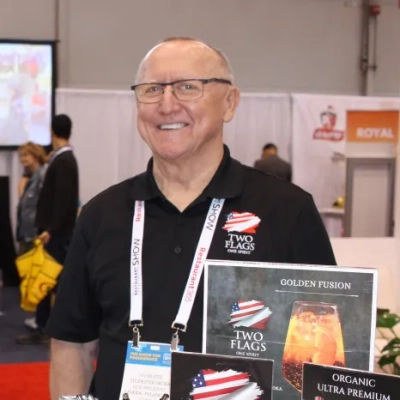
I’ve traveled between Poland and the US countless times building Two Flags Vodka with my father, and the best hack I learned was to always keep samples of your product in checked baggage, not carry-on. Lost an entire set of our vodka samples to TSA once–over $300 worth–because I thought “just this once” wouldn’t matter.
Now I ship critical materials ahead to hotels or offices at my destination. When we attended the National Restaurant Association Show, I had our display bottles and marketing materials waiting at the venue three days early. Zero stress at the airport, and I could focus on connecting with distributors instead of panicking about logistics.
The liquor industry moves on relationships built face-to-face, which means constant travel to trade shows and tastings. I started blocking the day before and after every major event as “buffer days”–no meetings, just adjustment time. Sounds wasteful, but I close way more deals when I’m sharp and jet-lag isn’t making me forget names or miss cultural cues that matter in business.
Land Late and Stay Local
I usually end up arriving in a new city late in the evening instead of bright and early. Hotels are a lot cheaper this time around, and getting a taxi is a breeze compared to the people trying to get out of the airport at 5 am. Plus, airports are basically empty. On top of that, I get to actually reach my room, catch some shut-eye, & start my day off fresh without feeling like I’m running on fumes from being up all night because of an early flight.
This one little change has seriously reduced my stress levels. I also try to book my accommodation in areas where ordinary people live, rather than right in the middle of all the tourist traps. Places like grocery stores, pharmacies, and those tiny local cafes come in really handy for saving cash & time.
Plus I get to eat food that doesn’t come out of a tourist menu, do a bit more walking, and get a feel for the real place a lot faster. My trips feel like trips and not just a mad dash of rushing from one tourist site to the next. Thanks to this, my travels are just a lot smoother & more productive in general. I save money, I’ve got heaps of energy, and I’m not using up all my mental bandwidth on navigating the city.

Compress Clothes with Vacuum Bags
One of the most valuable travel hacks I’ve learned is using vacuum storage bags for clothing and soft items. Compressing clothes this way saves a surprising amount of space, which lets me pack lighter or avoid checked baggage altogether. It also keeps everything organized and wrinkle-free, especially on longer trips.
This has improved my trips by making packing and unpacking faster and reducing travel stress. I no longer overpack “just in case,” and I can move more easily between destinations without bulky luggage. It’s a simple tool, but it consistently makes travel smoother and more efficient.

Keep Irreplaceable Items with You
Always make sure you carry on anything you can’t afford to lose. It’s not worth the risk if your luggage is lost. Even if you have an air tag, you might be able to see where your luggage is located, but there is no guarantee that you will get it back, and this avoids stressing over what might be lost.
So keep your valuables in your check-in bag or on your person.

Rate Shop, Then Validate with Reviews
Since I am on the hotel GM role, I can tell you the hack for travelers is to rate shop with an online aggregator like Tripadvisor, then validate the hotel you are choosing by reading the reviews – hotel brands today do not allow third parties like booking.com to be lower cost BUT Travelzoo.com is a membership group and can have lower rates than the given hotel brand! Thank me later.