

























17 Travel Tips for the Spontaneous Adventurer
Spontaneous travel doesn’t have to mean chaos or regret. This guide gathers practical strategies from seasoned adventurers and travel experts who have mastered the art of flexible exploration. From managing finances on the fly to choosing the right gear, these 17 tips will help anyone embrace last-minute trips with confidence.
- Schedule A Wild Card Window
- Build A Simple Stealth Camper
- Treat The Carry-On As Lifeline
- Follow Instincts, Not Schedules
- Master One Reliable Shelter System
- Fix Endpoints, Freestyle The Middle
- Say Yes Now, Sort Details Later
- Bring The Experience To People
- Leave Gaps And Walk Trails
- Book Only The First Night
- Save Booth Backups After Hours
- Join A Local Class Immediately
- Stash Spare Passport Photos
- Revisit Favorites In New Seasons
- Mute The Phone And Roam
- Pack A Quality Power Bank
- Reserve A Structural Freedom Fund
Schedule A Wild Card Window
My very simple idea for we-get-no-time-to-spend-together temptation spreads is: you plan the basics, and then you have this I-just-wanna-be-a-little-spontaneous window of a couple to four hours! Where nothing is planned. I book the first night, key transport, and one unmissable, and during that time I follow the first good local tip I hear of, eat the first weird dish whose name I can’t pronounce, and make at least one surprise detour — a peculiar poster in the streets or a bus to some nearby neighborhood. I have an offline map, a tiny bit of cash stashed away, and I follow these simple safety rules: venture out only during daylight hours, let someone know where I’m heading, and use my intuition. This transforms ordinary days into genuine adventures — such as stumbling into a backyard milonga in Buenos Aires or a dawn bakery in Oaxaca, without ruining the schedule or blowing the budget. Test one wild card window on day two, limit spending to roughly 10 percent of your daily budget, and let the locals lead the fun.
Build A Simple Stealth Camper
I have been traveling for most of my life—backpacking, luxury hotels, Airbnb, volunteering, house sitting, camping, and cruises. You name it, I’ve probably done it. But the one thing that unlocked true spontaneity for my partner and me was traveling in a simple van converted into a camper.
The secret isn’t buying a $100,000 rig; it’s about building a stealth setup for under $1,000. We drive a 1998 VW T4 with tinted back windows. To the outside world, it looks like any other car in the neighborhood, which allows us to park almost anywhere overnight without drawing attention. Inside, however, we have everything we need.
We kept the conversion incredibly simple to maximize freedom and minimize stress. We built the interior furniture using affordable plywood, which we painted to look clean and comfortable. Instead of figuring out complicated electrical wiring to charge off the alternator, we opted for a portable 2000W power station and a 20W fridge. These were the most expensive parts of the build, but they allow us to keep food chilled and laptops charged so we can work from anywhere.
The freedom this affords is unmatched. If we arrive at a destination hyped up by tourism and realize after an hour that we’ve seen enough, we don’t have to wait out a hotel booking. We just jump in the front seat, turn the key, and move on. Conversely, if we pull up to a sleeping spot that feels unsafe or just has a bad vibe, we aren’t stuck there. We just drive a little further until we find the perfect spot.
We even combine this with house sitting. During summer holidays, we find a sit that isn’t too close, and turn the journey there into a road trip. We drive a little closer to our destination every day, visiting places at our own pace without ever packing a suitcase. It is the most freeing experience, even more so than traveling with just a backpack. You have your kitchen, your bed, and your office with you at all times, making the whole world accessible on your own terms.
Treat The Carry-On As Lifeline
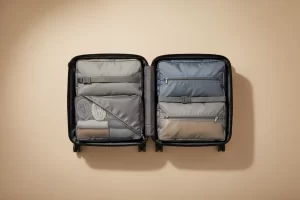
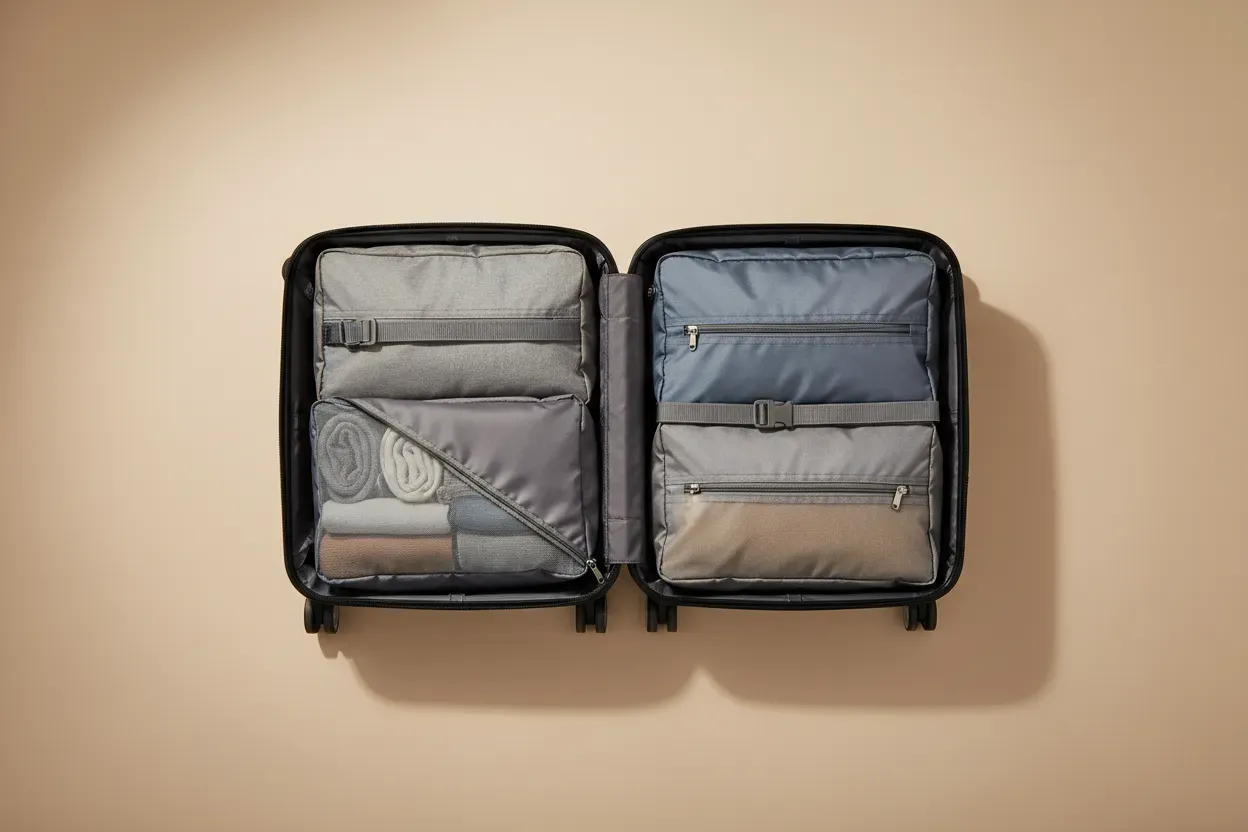
One of the best lessons I ever learned about spontaneous travel came from my old rugby days: always carry your ‘boots and kit’ in your carry-on. If our luggage got lost, we could still show up and play the game. I’ve taken that mindset into every trip since.
When the airlines lost my bags for three days in the wilds of Namibia, the only reason I wasn’t derailed was because I had my essentials with me—cameras, hiking boots, toiletries, and clean layers.
My advice: pack your carry-on like it’s the only bag you’re guaranteed to see. It frees you up to say yes to last-minute adventures, to unexpected detours, and to the beautiful chaos that makes travel worth it.
Follow Instincts, Not Schedules
Honey, listen up. I’m about to give you a travel tip so good it’ll make your GPS jealous: Follow your nose. Literally.
Now, I know some of you are planners. You’ve got your itinerary, Google Maps, color-coded spreadsheets… and don’t get me wrong, I love a well-planned trip. But some of the best memories don’t come from schedules. They come when you let your senses run the show.
Ever walked down a street and caught a whiff of something that made your stomach growl? That’s your adventure calling. Freshly baked bread, sizzling street food, or something so exotic you don’t even know it exists—but you need to find out. Step into that alley. Peek in that doorway. Your taste buds—and your soul—will thank you.
Maybe it’s not a smell—it’s a color. A bright mural, a little shop, a flower market exploding with life. Walk toward it. Snap a photo, make a memory, or just soak it in. Sometimes the quiet corners and unexpected streets beat the famous landmarks.
Hear live music? Someone laughing? A drumbeat that makes your feet tap? Go! Let the city lead you. You might stumble on a secret festival, a cafe concert, or a neighborhood gathering that locals only whisper about.
Here’s the secret: trust your instincts. Stop overthinking. That random turn could take you to a hidden courtyard, a local chef’s kitchen, or a view so stunning you’ll want to sit there forever.
Following your nose turns travel into discovery, not just sightseeing. You’ll meet people, try foods, hear stories, and see sights that aren’t in any guidebook. You’ll laugh, stumble, maybe even get a little lost—and that, darling, is the kind of memory that sticks.
So next time you travel, put down the map, let go of the schedule, and follow your senses. Adventure isn’t just on the map—it’s waiting in the little things you almost walked past.
Baby, trust me: the best stories come from streets you weren’t planning to walk down.

Master One Reliable Shelter System
I’ve set up glamping sites in deserts, jungles, forests across six continents, and the biggest lesson I learned: pack less gear, know your materials better. When we were doing our first big festival setup at Bonnaroo, I watched inexperienced campers struggle with complicated equipment while missing the entire first day of music. Meanwhile, our team had everything up in under an hour because we knew exactly what each tent could handle.
My tip: Master one quality shelter system inside-out, then go anywhere. I’ve slept in our canvas tents through torrential rain in Central America, high winds in the Southwest, and freezing temps where I needed a wood stove. Knowing exactly how my tent performs in every condition means I can say yes to last-minute trips without anxiety. I don’t need to research gear–I just need to check the weather and adjust my setup accordingly.
The spontaneity comes from eliminating decision fatigue. When clients ask if we can set up a pop-up glamping site in a new location with 48 hours’ notice, we don’t panic about equipment–we know our canvas, our stakes, our guy-lines. That confidence translates directly to adventure. Learn your core gear so well that packing becomes automatic, and suddenly every weekend becomes available for exploration.
Fix Endpoints, Freestyle The Middle
I’ve found the best way to stay spontaneous while travelling is to only book two flights for an overseas trip: the arrival and the departure, and always into and out of different cities. I’ve found that gives me a fixed window of time and a loose direction, but nothing else is locked in. I know I have to get from point A, where I land, to point B, where I fly home from, but how I do that is entirely up to me.
Travelling like this has helped me embrace a bit more of a relaxed path, often taking unexpected routes, following local recommendations, or spending a bit more time in smaller towns I might never have planned for. I recently travelled from Amsterdam to Paris and spent a wonderful two weeks in Belgium, which was not originally on my list. I spent an amazing time in Bruges and stumbled across some incredible art museums and galleries I otherwise would not have found.
Say Yes Now, Sort Details Later
I’ve been driving tours and charters around Brisbane and Queensland since 2009, plus I spent years as a ski instructor overseas where spontaneity was literally part of the job description–you never knew what weather or group you’d get each day.
Best tip: Always say yes first, figure out logistics second. When I started Brisbane360, a client once asked if we could organize a last-minute trip to Stradbroke Island with indigenous cultural experiences included. I didn’t have all the connections lined up yet, but I said yes and spent the next 48 hours calling every contact I had. That trip became one of our signature tours and opened up an entire revenue stream I hadn’t planned for.
The mindset shift happened during my hospitality days–I realized that overthinking kills adventure. Now with Brisbane360, about 30% of our bookings are spontaneous requests (wine tours on Mt. Tamborine, impromptu beach trips, sudden wedding transport needs), and we’ve never cancelled a single one. I keep a mental roster of backup suppliers and local contacts who can pivot quickly.
My practical advice: Build redundancy into everything. Have two accommodation options researched, know alternate routes, keep emergency contacts saved. That preparation paradoxically makes you MORE spontaneous because you’re not paralyzed by “what ifs.” I’ve seen too many people skip amazing opportunities because they didn’t have a Plan B ready to go.
Bring The Experience To People
I run an adaptive e-bike business in Brisbane, and over the past year I’ve been packing up trikes and travelling to regional Queensland, retirement communities, and disability expos–basically anywhere someone says “I wish I could try one of those.” The travel tip that changed everything: bring the experience to people instead of waiting for them to come to you.
We started doing Come & Try Days in places like Bribie Island and Far North Queensland because so many potential riders couldn’t physically get to our Brisbane shop. One woman in Cairns hadn’t ridden in 15 years due to balance issues–she tried our semi-recumbent trike for the first time at a seniors expo and bought it that week. That single trip led to five more customers in the region and opened up partnerships we never would’ve found sitting in the shop.
My advice: Pack light, but pack what matters. I can fit demo trikes in a trailer, but the real game-changer is bringing tools and spare parts so I can adjust seat heights, handlebars, and pedal positions on the spot. People don’t just want to “try” something–they want it customized to their body right there. That immediate adaptation is what turns curiosity into commitment.
The spontaneity comes from saying yes to unusual locations. We’ve set up in university halls, parking lots, even lifestyle villages. About 40% of our interstate sales now come from these pop-up events, and I’ve learned that adventure isn’t about exotic destinations–it’s about showing up where you’re needed, not where it’s convenient.
Leave Gaps And Walk Trails
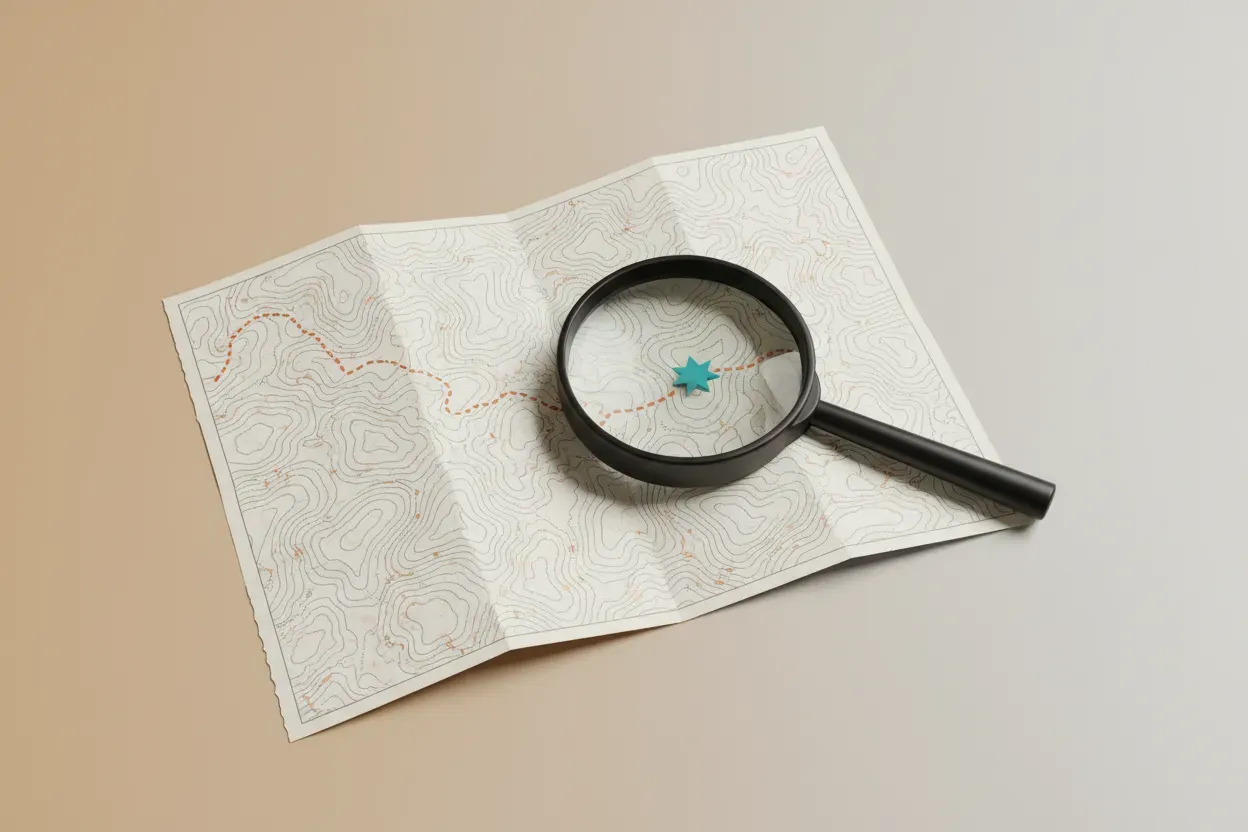
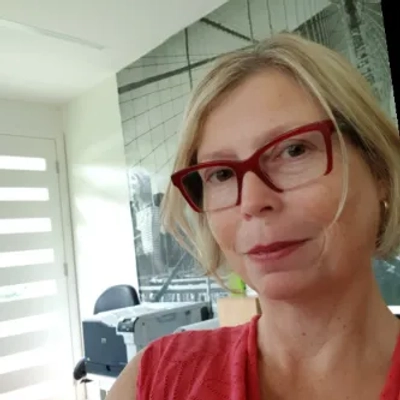
The best travel stories come from the moments you don’t plan. Instead of a set tour, grab a map at Camping Les Saules and walk the GR 34 trail yourself. You’ll stumble upon incredible seaside views and local markets you’d otherwise miss. Planned outings limit this kind of discovery. So don’t worry if your schedule has gaps. The best memories come from those free afternoons.
Book Only The First Night
My travel tip that flipped my trips from over-planned to spontaneous is to only book the first night’s accommodation. That’s it. Book the flight, book one night’s stay near the airport or train station, and then leave the rest completely blank. It’s the ultimate antidote to the paralyzing feeling of needing to maximize every single minute of a trip.
The advice I give to others is to realize that flexibility is the greatest currency you have when traveling. If you meet someone on Day 2 who recommends an amazing, tiny town two hours away, you can just go. If you love the place you’re in, you can stay an extra two nights. For a business owner like me at Co-Wear LLC, I already spend my whole life planning inventory and campaigns; travel has to be about genuine discovery.
This strategy forces you to focus on the purpose of the moment. It makes you talk to locals, read bulletin boards, and trust your gut. It takes the pressure off “perfection” and hands you real, human adventure—which is far more rewarding than any itinerary I could spend weeks creating.

Save Booth Backups After Hours
When travelling in Japan, you do not always need an expensive hotel to stay spontaneous. If you are stuck late or everything is booked, manga and anime cafes often have private booths you can rent by the hour, decent food, and it is common for people to use them to rest or fall asleep. My advice is to keep a couple of these spots bookmarked in each city and treat them as a flexible backup; it gives you freedom to say yes to plans without stressing about a fixed check-in time.

Join A Local Class Immediately
Here’s my trick for spontaneous travel: I find a random local class the moment I arrive. In Vietnam, I signed up for a cooking workshop on a whim and ended up eating dinner at the instructor’s house. We became friends. Honestly, saying yes to whatever class or meetup pops up, even when you know zero about it, is the best way to actually experience a place.
Stash Spare Passport Photos
Here’s what I do: I keep passport photos on my phone and a paper copy in my bag. In Vietnam, some new friends decided to take a last-minute ferry to Phu Quoc Island. Because I was ready, I bought a ticket on the spot. No running back to the hotel. That was a wild night, and I only went because of those little copies. Be prepared and you can grab those random chances.