












23 Creative Tips for Preserving Travel Memories
Travel memories fade faster than expected, but the right preservation methods can keep experiences vivid for years. This article compiles 23 practical techniques for capturing and maintaining travel moments, featuring insights from experts who have refined their own memory-keeping systems. From voice memos and sensory journals to instant cameras and location mapping, these strategies offer concrete ways to hold onto the details that matter most.
- Pin Locations and Record Short Video Clips
- Create Three-Dimensional Scrapbook Pages With Mementos
- Combine Thoughtful Photos With Lasting Experiences
- Combine Photos and Journal Entries Daily
- Use Instax Cameras for Limited Analog Shots
- Staple Material Swatches Into Physical Notebook
- Record Raw Walking Tours With Natural Sound
- Pair Quick Notes With Phone Pictures
- Shoot Environmental Footage With Narrative Intention
- Note One Funny Conversation Per Trip
- Capture Context With Quick Candid Photos
- Preserve Emotions Through Short Voice Memos
- Write Daily Entries About Transformative Moments
- Keep a Five-Sense Journal Entry Daily
- Record Voice Clips With Ambient Background Noise
- Mail Yourself Postcards and Keep Tiny Notebook
- Photograph Stories and Add Handwritten Reflections
- Collect Physical Items That Trigger Full Experiences
- Share Actionable Travel Insights on LinkedIn
- Record Bilingual Voice Notes for Client Projects
- Make Quick Reels With Voice Commentary
- Write Brief Notes to Recall Sensory Details
- Photograph Menus and Price Lists Everywhere
Pin Locations and Record Short Video Clips
Here’s my biggest tip: always, always pin the location to your memory. It’s crazy how often I get a phone notification for a photo from a few years back and have zero clue where I was. Was that cafe in Lisbon or Rome? Adding the location tag on Instagram or in a blog post is a simple click that saves the context forever and is the single most overlooked aspect of memory preservation.
Beyond just the where, you need to capture the feeling. While photos are great, short videos are infinitely better for this. A five-second clip of a bustling market or the sound of waves provides so much more information and jumps you right back into that exact moment in a way a picture just can’t. It preserves the full context and emotion.
Don’t overthink what’s “worth” preserving. My rule is simple: if it brought a smile to your face, or any strong emotion, it’s worth capturing. It could be something monumental, or something as small as visiting a new shop with a friend. The real payoff comes two or three years later when a notification pops up and brings that smile right back. You’re creating little gifts for your future self.
So, where do you put all this? For long-term preservation, I can’t recommend a free service like Blogger enough. It’s the ultimate digital time capsule. It’s free, the hosting is permanent, and it’s backed by secure servers. You can forget about it for a decade, come back, and find all your memories waiting. I recently logged into an old one and found videos of family members I’d completely forgotten about. It’s a perfect, no-pressure place to start, and you can always move the content elsewhere if you get more serious about it.
For sharing more intimately, I use a journal app called Journey. It lets me create dedicated journals that I can share exclusively with my partner, my parents, or my friends, which is great for memories not meant for a public blog.
As someone who travels a lot, my entire system has to be digital. I’m not carrying photo albums in a backpack. Everything is organized in folders on my phone, backed up to an external hard drive, and archived on my blog. The key is to have a system that gives you those gentle reminders without becoming a burden. Live in the now, but have a simple, secure way to revisit the best moments when you want to.
Create Three-Dimensional Scrapbook Pages With Mementos
This actually started as a hobby before I started travelling, but I love how it captures travel memories too. Scrapbooking, which is essentially adding photos to an album, except instead of just a plain book with photos in a line, it is a large square book with photos placed on pages with unique prints, patterns, tickets and more to really create a 3D photo album. What I love about storing my photos this way is that I can surround my photos with unique prints and papers from each destination I am posting about to create an even more unique and authentic feel. For example, my scrapbook pages about New York City have a paper bag from a store with “Central Park” written on it as the background, and my photo is stuck to it. I also have theatre tickets taped inside since I went to a Broadway show on the same trip! These all allow me to look back at my photos and remember all the small details!

Combine Thoughtful Photos With Lasting Experiences
I’m a big believer in being in the moment, which is hard to do if you are only experiencing your vacation through the camera on your phone. Yes, the pictures are important and I still take tons when I travel, but if we’re honest, most of us end up leaving them stuck on our phone and not doing much with them once we get home (and no one’s family and friends want to look at them nearly as much as you do).
I like to take a mixed approach, one that combines a few thoughtful pictures that capture the essence of the destination with experiences that will continue to be part of my life when I return. For example, I love to take cooking and mixology classes when I travel. I then combine the recipes with photos into a recipe book when I return home. This allows me to relive my journey and share it with my loved ones in a real way that never gets old and allows me to feel like I can go back anytime.
Another way I like to document my travels is through journaling. Again, I can combine these journal entries with photos into an album when I return, but now it becomes more like a story and less like a photo feed. There are a lot of great travel journals out there, but sometimes I’ll just create a quick voice note to myself at the end of the day while it’s fresh and write it out later. But the point is to remember how the trip made me feel. I want to remember how my legs ached as I walked the hills in Lisbon but the reward of pastel de nata kept me climbing, I never want to forget the hilarious tour guide who had us giggling through Rome, or the sound of the rushing falls in Iceland and the way my son scurried across the rocks to get a closer look. Those are things you can’t capture in pictures alone.
Combine Photos and Journal Entries Daily
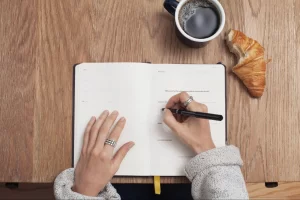
I adore taking photos and videos while writing in a journal to capture my adventures. I always have a little journal in my pocket to record notes, details from the day, or whatever stands out. It makes me think about feelings and moments, small things that sometimes a photo doesn’t capture. I try to photograph not just well-known sights, but also the everyday things that have caught my attention and made me fall in love with a place, local people, or the smaller, quieter moments. My recommendation is to go for candid and planned shots, as the genuine ones usually remind you best of your memories. At home, I like to create a photo book or album of all the pictures so I can look through them later and remember the trip as an experience, not just some pictures.
Use Instax Cameras for Limited Analog Shots
When I travel, I take a lot of photos and videos. Then I turn them into short clips to tell the story.
However, I don’t want my memories to exist only in digital form. That’s why I love using an Instax camera. The fact that it’s limited is what makes it special. When you only have a few shots to capture a moment, a face, a beautiful scene, they can’t be deleted or redone. I’m left with those moments, hoping I’ve captured the feeling.
After a trip, I create a small visual narrative – taping these Instax photos into a scrapbook, writing little notes, drawing a line from one picture to the next. Sometimes I even make up small stories between them. It helps me solidify the memory and that feeling.
And maybe the most unforgettable way I’ve ever preserved a memory was with my best friend: we got matching tattoos – mine on one side, hers on the other. It’s a reminder of that moment, that place, that time. Sometimes I touch the tattoo near my heart, and it instantly takes me back there.
Staple Material Swatches Into Physical Notebook
I’ve set up glamping sites across six continents, and honestly, my favorite documentation method is a physical materials journal. I keep fabric swatches, rope samples, local wood types, and soil from each site stapled into a leather notebook with handwritten notes about weather patterns and guest feedback.
The reason this works so well is that years later, when a client asks about canvas performance in humid jungle climates versus arid deserts, I can flip to my Costa Rica or Namibia pages and physically see how the materials aged. No digital file gives you that tactile memory of “oh yeah, this stitching held up through monsoon season but needed reinforcement here.”
My specific tip: photograph your campsite at the exact same angle every single morning for a week, then create a simple grid layout showing how light, weather, and wear patterns change throughout your stay. When I was troubleshooting tent placement for White Aspen Glamping in Washington, these daily progression shots revealed drainage issues and sun exposure problems that single “hero shots” completely missed.
Keep one small waterproof pouch with a Sharpie and index cards in your tent. Write down three specific details each night–temperature inside vs. outside, condensation levels, what failed or surprised you. Those raw notes become invaluable when you’re back home trying to remember why something worked.
Record Raw Walking Tours With Natural Sound
I’m a marketing guy who manages properties across multiple cities, so I’ve had to get creative about capturing places authentically. My favorite approach is **creating video walking tours** with my phone–not polished productions, just raw footage with natural sound that shows what a neighborhood actually feels like at street level.
When I visit new cities for work scouting, I record 2-3 minute walks through areas I want to remember, focusing on storefronts, street corners, and those random details you’d never think to photograph. I did this exploring coffee shops in Uptown Chicago and ended up with footage of a gramophone at First Sip Cafe that perfectly captured the vibe–something a photo would’ve killed. The movement and ambient noise transport you back instantly.
For organization, I dump everything into a simple YouTube private library with descriptive titles like “Portland Pearl District Morning Walk” or “Minneapolis Warehouse District Night.” It’s searchable, cloud-backed, and I can pull clips years later when I need to remember what a place felt like. I built this system after creating hundreds of unit tours for properties–same principle, just applied to personal memories instead of apartments.
The key is keeping your phone out and recording motion, not hunting for perfect photo moments. You’ll capture way more authentic memories in 30 seconds of walking than in 30 staged photos.

Pair Quick Notes With Phone Pictures
My favorite way to document my travels is by keeping a simple, running photo journal on my phone—nothing elaborate, just a mix of pictures and short notes captured in the moment. I’ve found that pairing an image with a quick sentence or two helps me remember the feeling behind the scene, not just what it looked like. It turns the trip into a story instead of a collection of random shots.
One tip that’s made a big difference for me is capturing “in-between” moments, not just the big landmarks. The quiet morning light through a hotel window, a street vendor arranging fruit, the first meal I tried in a new city—those small details end up holding the strongest memories later.
Right after I take a photo, I’ll jot down a quick note about why that moment mattered: a smell, a sound, a tiny interaction, or something I was thinking at the time. It takes ten seconds, but months later it brings everything back with surprising clarity.
I also make a habit of organizing everything at the end of each day. I delete duplicates, add a few extra thoughts, and tag locations. It keeps the journal tidy and prevents that overwhelming feeling of having too much to sort through once I’m home.
Documenting travel this way feels effortless, personal, and honest. It lets me relive the trip exactly as I experienced it—one small moment at a time.

Shoot Environmental Footage With Narrative Intention
I’ve documented everything from submarine patrols to human trafficking investigations, and here’s what actually works: **shoot b-roll with narrative intention**. When I was filming the *Unseen Chains* documentary with Drive 4 Impact in Sacramento, I’d capture 5-10 seconds of environmental footage–empty playgrounds at dusk, hands gripping coffee cups during interviews, traffic lights changing–that had zero significance in the moment but became emotional anchors in editing.
The trick most people miss is audio layering. I keep my phone recording ambient sound whenever something feels significant–rain hitting a windshield during a road trip, crowd noise at a veteran’s event, even silence in meaningful spaces. Six months later when I’m building a story, that 30-second audio clip transforms generic travel footage into something you can *feel*. I did this throughout my Navy years and now have soundscapes from inside submarine engine rooms that I’ll never be able to capture again.
For preservation, I organize everything by **emotion and theme, not date or location**. I have folders labeled “Transition,” “Community,” “Solitude”–not “July 2023” or “California Trip.” When I need to tell a story about overcoming struggle, I can pull from submarine service, client projects, and personal travels all at once because they’re grouped by what they *represent*, not when they happened.
Note One Funny Conversation Per Trip
I’ve driven thousands of tours around Brisbane and Straddie over the years, and the best memory preservation trick I’ve learned is actually from my passengers–especially the seniors I work with. They taught me to keep a simple travel journal where you jot down one funny conversation or unexpected moment from each trip, not just what you saw.
On one Moreton Island tour, a guest wrote down how a wild dolphin photobombed their selfie attempt three times in a row. Five years later, she told me that scribbled note brings back more emotion than any of her actual photos from that day. The story behind the moment matters more than the perfect shot.
I also film short 10-second voice memos on my phone right after something memorable happens–like when school kids on a camp trip spotted their first koala at Lone Pine. Your own voice captures the excitement in a way photos can’t, and it takes literally seconds. I’ve got hundreds of these tiny audio clips that transport me back instantly when I’m scrolling through my phone months later.
Capture Context With Quick Candid Photos
My favorite way to document my travels is by combining short written reflections with quick, candid photos taken throughout the day. I keep a digital travel journal on my phone where I jot down a few lines at night—what surprised me, who I met, a detail I don’t want to forget, or even a moment that didn’t go as planned. Those small notes end up becoming the most meaningful parts of the trip when I look back.
A helpful tip for preserving memories is to capture **context**, not just scenery. Instead of only photographing landmarks, take pictures of things like your breakfast table, a street sign that caught your eye, the view from your window, or your shoes covered in dust after a long hike. These little snapshots trigger vivid memories later and help you relive the full story of the trip, not just the highlight reel.
If you prefer something more analog, jotting down a single sentence a day or saving ticket stubs and receipts in a small envelope can also create a surprisingly rich memory archive without feeling like extra work.
Preserve Emotions Through Short Voice Memos
My favorite way to document my travels is by recording a short voice memo on my phone at the end of each day. While snapshots and journals are great, nothing preserves the small details and genuine emotions faster or more vividly than your own voice capturing them in real time. Before drifting off to sleep, I take two minutes to recount the day’s highlights, from surprising street food to fleeting conversations, while the memories are still fresh. It’s a simple ritual that creates an audio time capsule—authentic, unfiltered, and ready to transport me back whenever I want to relive those moments.

Write Daily Entries About Transformative Moments
Capturing the Story, Not Just the Scenery
I love to document my travels through storytelling, short journal entries I write at the end of each day. I try to include not only the places I visited, but also what I felt, who I met, and what shifted in me. It could be anything, such as a short sentence about the warmth of a stranger’s smile in a new city or the sound of the church bells echoing through a quiet morning street. I am not trying to write a novel. I am simply trying to remember the heartbeat of the moment.
One thing I recommend is giving your camera a break. It’s okay to take a couple of pictures, sure, but then take a pause and try to enjoy the moment through your senses instead of a lens. Later, write about why that moment mattered. Many years later, you won’t care if your photo had the perfect lighting. You will care that you remember how alive you felt in that moment.
Travel is a transformation for me, and documenting it is never about perfection. Focus on preserving the moments that changed you in ways you never planned on.

Keep a Five-Sense Journal Entry Daily
I keep a running “five-sense journal.” Instead of just writing what I did, I jot down what I saw, smelled, heard, tasted, and felt that day. The scent of roasted coffee from a Lisbon alley or the sound of rain on a Kyoto temple roof hits harder than a photo ever can. Later, those details bring everything back in full color. My tip: don’t wait until you’re home to write. Do it right after a meal or while waiting for a train. Memory fades fast, but a quick note locks it in. When you reread it months later, it feels like stepping right back into that moment.

Record Voice Clips With Ambient Background Noise
I keep a running voice journal on my phone. Quick clips. Thirty seconds here, a minute there. I record them while I’m walking or sitting somewhere quiet so the background sounds sneak in. Wind, street noise, a bus rolling by. Those sounds end up holding the memory better than any photo. Later, I pull the clips into a single folder and add one or two still shots that match the moment.
My tip is simple. Capture the feeling, not the itinerary. Instead of filming the whole landmark, record the tiny thing that caught your attention. The smell from a bakery, a stray dog sleeping in the sun, the way a streetlight hits a wet sidewalk. Those little pieces bring you back faster than anything polished. Make it messy. Make it real. That’s the stuff you’ll actually want to revisit years later.

Mail Yourself Postcards and Keep Tiny Notebook
My favorite way to document a trip is beautifully low-tech and I love it! In fact, I mail myself a postcard every few days and keep a tiny linen notebook for three lines a night. On each card, I usually write one scene, one scent and one sentence I’ll want to remember when life gets loud again.
In the notebook, I do my little ritual — feet on the floor, two slow breaths, then three lines: what I saw, who I met, and what changed in me today. When I get home, the postcards arrive like time capsules — I tuck them into a bowl by the kettle and rereading them feels like opening a window back onto the trip.
A simple tip that makes memories stick: pick one container and keep it sacred. Maybe it’s postcards, maybe a notes app, but choose one either way. At the same time each evening, specify three sensory specifics (sound, light, smell) and one tiny gratitude. Snap a single photo at first light every day from wherever you are, print your 10 favorites when you get home and slip the best one behind a clear phone case.
Trust me, years later, you’ll remember not just where you went, but how the air felt and who you were becoming.

Photograph Stories and Add Handwritten Reflections
As a lifelong New Yorker and a real estate agent, I view travel through a slightly different lens. I have always believed that cities, just like people, have personalities. And if you really want to preserve memories of a place, it’s important to capture the feelings, not just the sights.
My favorite way to document my travels is through photos that tell stories, paired with handwritten notes with each. I maintain a travel journal, not in the “Dear Diary” way, but more like a personal field guide. I take pictures of things that are interesting and add short notes of what I was thinking in that moment.
I always recommend documenting not only the places you see while traveling, but also documenting how that place made you feel in that moment. After several years, when you might have even forgotten the name of your new favorite café in that town, those pictures would surely remind you of how the first sip of that coffee beside a canal in Amsterdam felt that day.
Memories live in emotions. Pair photos with personal reflections, and you will never lose the heart of your adventures.

Collect Physical Items That Trigger Full Experiences
Growing up in Palermo and spending 10 years in the UK hospitality industry taught me that the best memories aren’t in perfect photos–they’re in the sensory details you can recreate later. I document my travels by collecting physical items that trigger full experiences: a specific olive oil from a Sicilian market, unique fabric samples, or small artisan pieces that I can touch years later.
Here’s what actually works: I keep a “memory box” from each place with 3-5 tangible items–a restaurant napkin with notes scribbled on it, local spices, or small crafts. When I launched Rattan Imports, this habit became invaluable because touching that rattan sample from Southeast Asia instantly brings me back to the workshop where I first saw artisans weaving. It’s why I’m so passionate about tactile home decor–those textures literally transport you.
My tip is to buy one item you’ll actually use daily when you get home. I brought back a specific coffee blend from London that I still order, and every morning becomes a two-second trip back to those 10 years abroad. It beats scrolling through 500 photos you’ll never look at again.

Share Actionable Travel Insights on LinkedIn
One of the things I’ve realized after years of working with founders and scaling businesses at spectup is that travel is a lens for perspective and learning. For me, the most effective way to document it has been through LinkedIn, sharing what I’ve learned and experienced with my network. I remember visiting a startup ecosystem in Europe where the approach to fundraising was entirely different from what I’d seen before. Instead of keeping those insights to myself, I wrote posts highlighting key takeaways, specific strategies, and surprising observations. The effect was twofold: it preserved my memories and created conversations with peers and founders who resonated with those experiences.
The tip I always give is to focus on actionable lessons rather than just scenery. One post, for instance, detailed how a founder handled investor negotiations with transparency and patience, and it sparked a discussion with a founder back home who later applied a similar approach during their funding round. Incorporating small stories, like casual encounters with local entrepreneurs or unexpected cultural insights, makes your posts relatable and memorable. Visuals help, but they should support the story rather than stand alone—a photo of a meeting is powerful only if paired with what you learned from it.
Another subtle but effective approach is threading multiple experiences into a single reflective narrative, rather than isolated snapshots, so your audience sees the progression and depth of your learning. Over time, this creates a living archive of insights that doubles as professional storytelling, keeping your network engaged and in the loop with both your travels and thought process. In my opinion, documenting travel this way turns each trip into a strategic opportunity for connection, reflection, and shared growth. It’s not just about memories—it’s about making them useful, actionable, and inspiring for both yourself and your network.

Record Bilingual Voice Notes for Client Projects
I’m bilingual (Venezuelan-American) and travel frequently for client meetings across Latin America, so my go-to is voice memos in whatever language feels natural in the moment. When I’m walking through São Paulo reviewing a client’s localized signage or sitting in a cafe in Bogotá after a project kickoff, I’ll record 30-second thoughts mixing English and Spanish–it captures not just what I saw, but how it *felt* in that cultural context.
Here’s the trick: I immediately tag each memo with the project name and date, then our team transcribes them later (we use our own transcription services, obviously). Those recordings have become gold for client case studies because they include real-time observations about what worked or flopped in localization–like when I noticed a hotel chain’s translated menu in Cancún used European Spanish terms that confused Mexican tourists.
The biggest win? I can search those transcripts years later when pitching similar projects. Last month I pulled quotes from a 2019 recording about Portuguese localization challenges in Brazil versus Portugal, and it closed a deal with a travel company expanding to Lisbon. Your memories become your competitive advantage if you document them right.
Make Quick Reels With Voice Commentary
I work with video tools, and when I travel, I make quick reels of the good stuff – like that busy market in Bangkok or the street performer who could juggle fire. I’ve started recording little voice memos to go with the clips, and man, it’s different. Later when I watch, I can almost smell the street food again. Forget perfect photos – grab those messy moments with your own voice talking over them. That’s what actually sticks.

Write Brief Notes to Recall Sensory Details
I try to document as little as possible. My work involves being glued to screens, analyzing campaign data and metrics, so when I’m traveling, the main goal is to be present and disconnect. I’ll grab some photos on my phone like anyone else, but I make a conscious effort not to see the trip through a lens. I want to experience it, not create content from it.
What works for me is writing things down. I use the notes app on my phone, and at the end of the day, I’ll write one or two sentences about a specific moment. It could be about a great conversation, a specific taste, or a thought I had. Photos remind you what you saw. Those notes bring back the entire sensory experience years later. Reading “the waiter’s laugh when I mispronounced the dish” or “how the air smelled after that rainstorm” pulls you right back in a way images don’t.

Photograph Menus and Price Lists Everywhere
I don’t just photograph landmarks; I also photograph menus and price lists. I wish I had remembered those details later, but they seem boring. How much did a Vietnamese dinner cost? What type of coffee was served at that establishment? Which beers were available locally? The little things are what give a place a sense of authenticity, but they also fade quickly.
I also take pictures of graffiti, storefront windows, and street signs. After a while, all of the tourist photos blur together. There is a cathedral and a sunset in every city. However, a dumpling stand menu or a hand-painted pharmacy sign is connected to that location at that precise moment. Those are the pictures that show you the true nature of a place. The ordinary things vanish first.