




























25 Client Relationship Building Strategies from the Pros
Strong client relationships require more than good service—they demand intentional strategy and consistent execution. This article compiles 25 proven tactics from seasoned professionals who have built lasting partnerships across industries. Each approach offers practical steps that can be implemented immediately to strengthen trust and drive long-term value.
- Surface Constraints Before They Escalate
- Break Down Costs And Advocate
- Text Evidence From The Roof
- Support People Beyond The Session
- Invite Owners Into Visualization
- Document Work With Daily Proof
- Reduce Friction After Success
- Hold Monthly Executive Reviews
- Build Community Around Shared Purpose
- Anticipate Challenges And Offer Solutions
- Be The First Call Always
- Turn Data Into Clear Direction
- Honor What Truly Matters
- Stay Invested Past The Scope
- Educate With A Weekly Newsletter
- Recommend Approaches Proven Elsewhere
- Follow Up With Tailored Insights
- Adapt Terms To Unique Priorities
- Answer With A Human Voice
- Show Up Where People Gather
- Set Expectations With Candid Detail
- Co-Create Features With Customers
- Leverage Golf For Deeper Dialogue
- Listen, Reflect, Clarify, Confirm
- Maintain Structured Check-Ins
Surface Constraints Before They Escalate
One thing that always helps me build strong client relationships is being transparent about constraints before they become issues. With over 15 years’ experience supporting clients across heavy industries, I’ve seen that clients value honesty more than optimism, especially when delivery risk is involved. When you explain what is possible, what is tight and what needs their support, you create a relationship that is based on realistic expectations rather than assumptions.
A clear example came during a complex component industrialisation for a client in the aerospace industry. Early in the engagement, I explained that a key machining process was running close to capability and that any fluctuation could affect downstream manufacturing operations. In practical terms, it could lead to non-conforming components that the client could not use.
Rather than waiting for the problem to materialise, we agreed a joint monitoring approach and a set of a few trigger points that would prompt action. When the supplier’s throughput began to slip, the client was already prepared. We made a joint decision to shift a portion of the work to an approved secondary machining facility, which protected the qualification schedule and avoided a costly redesign of the component. The client saw the early transparency as a sign of partnership, not weakness, and it subsequently strengthened the relationship not only for the remainder of the programme but also for future opportunities.
My tip: Strong relationships grow when clients feel informed early, not reassured late.

Break Down Costs And Advocate
I’ve been remodeling homes for over 20 years, and the single most powerful relationship strategy I use is being brutally transparent about where every dollar goes. While most contractors just hand you a total number, I break down the entire bid line by line—materials, labor, permits, everything. Clients appreciate knowing exactly what they’re paying for, and it immediately builds trust before we even start working.
Here’s a real example: I had a client whose home got destroyed during the 2021 Texas freeze. Instead of just taking the job, my project manager Danny spent hours working directly with their insurance adjuster to make sure every bit of damage was documented and covered. We weren’t just their contractor—we became their advocate against the insurance company. That’s not in our contract, but it’s what actually matters when someone’s life is upside down.
The result? They’ve used us for three separate projects now and sent us multiple referrals. But more importantly, they trusted us enough to live in their house while 2/3 of the ceilings were open. When you show people you’re genuinely on their side—not just chasing the next invoice—they become partners, not just clients.
My approach is simple: treat their project like it’s your own mom’s house. That means I’m personally involved from consultation to final walkthrough, returning calls within hours, not days, and fixing anything that’s not perfect. When clients see you’re as invested as they are, loyalty follows naturally.
Text Evidence From The Roof
Real-time communication during high-stress moments. After a hailstorm rips through North Texas, homeowners are panicked, insurance adjusters are booked out weeks, and every roofer in the state is suddenly their best friend. I personally text clients photo updates from their attic and roof deck while we’re still on-site during the inspection—not three days later in a polished report they won’t read.
One McKinney client had water stains spreading across her ceiling after a May storm. I sent her a short video from her attic at 9 AM showing exactly where the flashing had pulled away at the chimney, explained the two-step repair in plain terms, and had my guy back that afternoon to seal it before the next rain. She told her neighborhood Facebook group that night, and we picked up four more inspections that week just from that post.
The business impact is that those referrals come in already trusting us because someone vouched that we won’t disappear or sugarcoat the problem. Our close rate on storm-referred clients runs about 87% compared to roughly 60% on cold leads, and the average project value is higher because they’re not beating us down on price—they just want the same honesty their neighbor got.
Support People Beyond The Session
I’ve spent over a decade in the fitness industry, and the biggest relationship-builder I use is showing up for clients outside their training sessions. Most trainers only engage during the hour they’re getting paid—I text check-ins on rest days, ask how meal prep went, and celebrate non-scale wins like better sleep or hitting a new deadlift PR on their own time.
Last year I had a client who kept missing morning sessions because of work stress. Instead of lecturing her about commitment, I asked what was actually going on. Turned out her company was downsizing and she was spiraling. I shifted her to evening slots, sent her articles on stress management we teach at VP Fitness, and checked in twice a week just to see how she was holding up mentally—not just physically.
She stayed with us through the chaos, brought her husband in for training six months later, and now refers at least one person every quarter. That’s three additional long-term clients and about $18,000 in annual revenue from one relationship where I just treated her like a human first and a customer second. When people feel seen beyond the transaction, they don’t just stay—they become your marketing team.
Invite Owners Into Visualization
I’ve built pools for 20+ years, and the strategy that’s kept clients coming back is designing WITH them, not FOR them. Most pool builders show you a catalog and say “pick one.” We use 3D design technology so clients see their exact backyard before we break ground—and we iterate together until it’s perfect.
One family in Wilmington wanted a pool but their yard was tiny and sloped. Instead of giving them a standard rectangle, we designed a freeform pool with a custom sun shelf at 8 inches deep. We showed them three versions in 3D—adjusting the tanning ledge size, adding bubblers, repositioning the spa. They picked features based on how their kids would actually use it.
The result? They posted progress photos during the build and tagged us in every single one. That project brought in four neighbor consultations within 60 days, and two of those signed contracts. When clients feel like co-creators instead of just buyers, they become your loudest advocates before the pool is even finished.
My advice: Find one tool or process that lets clients participate in shaping the outcome. It doesn’t have to be 3D software—it could be material samples, layout mockups, or even a shared Pinterest board. When they feel ownership over the design, they’re invested in your success too.

Document Work With Daily Proof
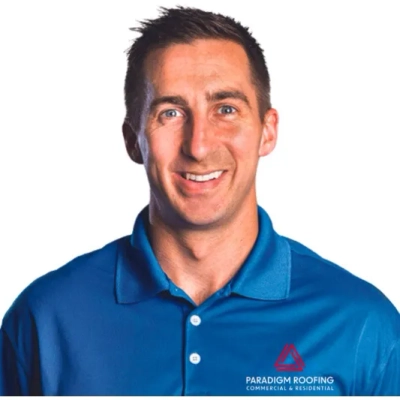
I run a roofing company in DFW, and my strategy is proactive documentation throughout the entire project. Most contractors ghost you after the deposit clears or only surface when something goes wrong. I send my clients photo updates every single day—staged progress shots, close-ups of flashing details, underlayment seams, even the cleanup—so they see exactly what’s happening on their roof without climbing a ladder.
Last summer we did a commercial TPO replacement for a property manager who oversees twelve buildings. She was burned before by a contractor who “finished” a job but left her with ponding water and failed seams she didn’t find until the next rainstorm. I walked her through our process with daily annotated photos showing membrane welds, termination bars, and drainage checks at each phase. She could show her ownership group real evidence of quality work as it happened, not just a “trust me” invoice at the end.
That one job turned into four more buildings across her portfolio, worth about $240K in contracts, because she finally had a roofer she could defend to her bosses with actual proof. She’s also referred two other property managers who specifically asked for “the guy who documents everything.” When you remove the black box from roofing, people stop assuming you’re cutting corners.
Reduce Friction After Success
One strategy that’s consistently strengthened our client relationships is treating the event as the middle of the relationship, not the end.
Last year we booked a corporate emcee for a financial services awards dinner. The event went smoothly, and it would’ve been easy to send a thank-you email and move on. Instead, three days later I called the VP of Events—not to pitch another booking, but to ask what worked and where things felt harder than they should have.
She mentioned that coordinating A/V details between us, the speaker’s team, and the venue had been frustrating because information kept getting lost. So I built a simple shared checklist for multi-party A/V coordination and sent it to her with a note saying she could use it for any event, whether she worked with us again or not.
Six months later, she came back to book a keynote for their national conference, a much larger engagement. When I asked why, she said most vendors disappear after they get paid, but we actually made her job easier when there was nothing in it for us.
That one relationship has since turned into multiple bookings and referrals. People remember who reduced friction for them, not who sent the flashiest follow-up email.

Hold Monthly Executive Reviews
I invest in structured transparency and proactive problem solving. For example, with a high-value client, I set up monthly executive briefings where we reviewed progress, challenges, and strategy adjustments before they felt the need to ask.
This not only built trust but also allowed us to course-correct quickly and co-create initiatives rather than react to issues. The result was a multi-year engagement that expanded revenue by over fifty per cent and turned the client into a case study that drove new business.

Build Community Around Shared Purpose
One of our core strategies is building genuine community around conservation, not just transactions around diving. We create multiple touchpoints—on land and underwater—where guests can connect with our team, with each other, and with a shared purpose of protecting Roatan’s reefs.
A great example is a guest who first came to us in 2023 for fun diving after trying several shops on the island. What stood out to her wasn’t just the diving—it was the community. She joined our beach cleanups and came to our post-cleanup happy hours, where divers, locals, and staff connect over reef stories and shared values. Very quickly, she became part of our tribe rather than “just a customer.”
That relationship has grown year after year. She’s returned multiple times, progressed from fun diving to completing her Rescue Diver, and went on to earn her Master Scuba Diver rating, including specialties like Dive Against Debris, which directly aligns with our conservation mission. This year, she’s coming back again—this time to train in coral restoration with us.
The positive result for our business is long-term loyalty, word-of-mouth advocacy, and a diver who now actively represents our values. For us, success isn’t just repeat bookings—it’s seeing people grow as divers, conservationists, and community members alongside us.

Anticipate Challenges And Offer Solutions
One strategy we rely on is proactive and personalized communication—anticipating a client’s needs before they even ask. It’s easy to react to requests, but real trust is built when clients feel you understand their business challenges and are offering solutions, not just responding to tickets.
For example, we had a mid-sized enterprise client struggling with a mix of devices across their offices and a patchwork of display systems. Rather than waiting for support requests, we scheduled a quarterly check-in where we reviewed their usage patterns, highlighted potential performance improvements, and suggested small workflow optimizations that would save them time. During one of these sessions, we noticed they were underutilizing a feature that allowed seamless multi-device mirroring. We created a short, tailored demo for their IT team, showing exactly how it could streamline their meetings and reduce setup time.
The result was twofold. First, the client adopted the feature across all departments, which significantly reduced internal support tickets and boosted their team productivity. Second, they became a vocal advocate for our software, leading to referrals to three other companies in their network. Beyond the immediate revenue impact, the relationship matured into a true partnership—they started providing feedback that influenced our roadmap, giving us insights that improved our product for all clients.
The lesson here is simple: relationships deepen when clients feel you’re invested in their success, not just in the software they’re buying. Consistency, insight, and a touch of personalization turn transactional interactions into long-term partnerships. It’s not flashy, but the cumulative effect on loyalty, referrals, and product evolution is profound.

Be The First Call Always
The strategy: Be the first call, even when we can’t do the deal.
We position ourselves as a partner for the long game, not just a transaction provider. That means providing guidance even when we’re not the ultimate funder. If a transaction doesn’t fit our credit box, we’ll connect clients with our network, auditors, accountants, or other funding sources that might be a better fit. We want to be the first call, and sometimes that means helping them find the right answer somewhere else.
A specific example:
We’ve worked with manufacturing clients who weren’t audit-ready when they first came to us. They needed capital, but their financials weren’t strong enough for the terms they wanted. Instead of turning them away, we connected them with auditors and accountants in our network to help them strengthen their reporting.
Over time, those relationships evolved. We started with a smaller schedule on terms that matched where they were. As their business improved and their financials got stronger, each successive schedule got better, with better rates, better structures, and more favorable terms. Some of these clients have done 20 or more schedules with us.
The results:
Over 40% of our business comes from repeat clients. That’s not an accident. It’s the outcome of starting where clients are, helping them grow responsibly, and building a performing portfolio of happy customers who come back.

Turn Data Into Clear Direction
One strategy I consistently use to build and maintain strong client relationships is taking the time to translate data into understanding, not just reports. A good example is a client who was frustrated because leads were slowing down and they felt like their ads weren’t performing anymore. Instead of reacting or pushing a new product, I sat down with them and walked through their GA4 data to show how users were actually moving through the site, where engagement was dropping, and how different channels were supporting the buyer journey even if they weren’t the final touchpoint. I paired that with Microsoft Clarity session recordings and heatmaps so they could literally see how shoppers were interacting with their site, where they were getting stuck, and what friction existed. That transparency changed the conversation completely. It rebuilt trust because they felt informed and confident in what was really happening, not confused by surface-level numbers. The result was a stronger partnership, expanded campaigns, and a client who now sees me as a strategic advisor instead of just someone running ads—and that’s led to longer retention and more meaningful growth for both of us.

Honor What Truly Matters
We build strong client relationships by tracking the “why,” not just the progress. One student was learning Spanish to visit his grandmother in Mexico, so his teacher helped him write and practice a short birthday poem in Spanish. We also mailed a handwritten card to his grandmother. It wasn’t expensive, but it was personal, and it showed we remembered what mattered to him. He stayed with us for years and referred several friends, because the experience felt like a relationship, not a subscription.

Stay Invested Past The Scope
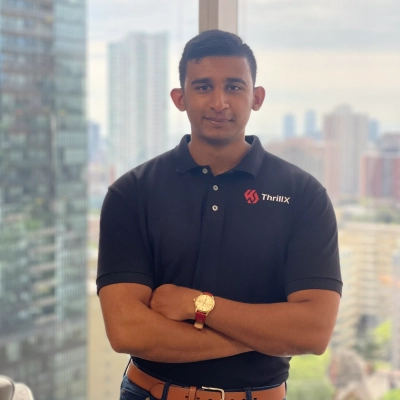
One strategy I use to build strong client relationships is staying deeply involved and genuinely invested in their success beyond the initial project. Content and conversion work are things I live every day through my YouTube channel, so I bring that same hands-on mindset to client relationships. Instead of keeping things surface-level, I focus on ongoing conversations, honest feedback, and shared learning. Clients see that we are not just delivering pages, but thinking alongside them about growth, messaging, and long-term performance.
A good example is a client who originally hired ThrillX for a single landing page. We kept the relationship strong by regularly reviewing results together, explaining user behavior in plain language, and suggesting improvements even when it was outside the original scope. Over time, this turned into a deeper partnership where we optimized multiple pages and implemented continuous testing, leading to a conversion lift of over 130 percent. That trust-driven relationship resulted in repeat work, referrals, and a long-term collaboration that benefited both sides.
Educate With A Weekly Newsletter
I have found that a weekly client newsletter is an invaluable tool when building and maintaining relationships with clients. It’s not a sales pitch but an educational and concise way of communicating with them, essentially sending them the latest news from the world of digital marketing. And, unlike us who work in the digital marketing world, they don’t live and breathe this stuff every day, so my goal is to bring them up to speed on what’s going on in a way that’s easily understood.
When I see my clients “in the loop,” trust in our relationship grows. I also anonymize the successes and failures from other projects and present them as real-world examples, which gives them a chance to see how specific strategies have worked elsewhere. This leads to much better conversations about areas of the business they had either never considered or given short shrift to. I remember a long-term client; it wasn’t until they started getting the newsletter that they had the context to effectively advocate for SEO and lifecycle initiatives within their company, and it was the beginning of a year-long partnership and bigger engagement.
Effective communications build credibility, and a newsletter can be used as a relationship asset that goes beyond an update or sales opportunity.

Recommend Approaches Proven Elsewhere
I build strong relationships with nonprofit clients by grounding my advice in real examples I’ve seen work, so they feel supported instead of sold to. When I can say, “I’ve watched another organization do this successfully,” it builds trust fast.
One example is a nonprofit that wanted a fresh way to energize donors beyond the usual ask. I suggested a simple voting contest, and we used a fun hook like a “name the tarantula” theme to get people involved.
Because the idea felt approachable and proven, they leaned in and promoted it with confidence. Donors loved having a voice, engagement went up, and the fundraiser brought in meaningful dollars for their mission.
The best part is what happened after. That client stayed with us for future campaigns and came back asking, “What else could we try next?” That kind of trust turns one fundraiser into a long-term partnership, and it grows the business through repeat work and referrals.

Follow Up With Tailored Insights
An example of how I strengthen my relationships with clients is through regular follow-ups. For instance, I worked with a corporate customer in the EV industry, who we helped build their first network of charging stations. When the project was completed, I followed up with a customized report addressing EV adoption in their area, a tailored growth plan for charging infrastructure, optimized their setup, and offered some suggestions. This showed them that we cared about their success, not just closing the project.
This approach helped them decide to renew their contract and expand their business with us, increasing the contract value by 30%. Predicting their needs and providing more than what was required on the initial project prevents the customer from being a one-off, promotes their business, and creates a long-term partnership.

Adapt Terms To Unique Priorities
One strategy I use to build and maintain strong relationships with my clients is being flexible and accommodating to their needs, especially regarding delivery and payment terms. For example, I once worked with a client who was experiencing cash flow challenges and had specific delivery deadlines. I adjusted the payment schedule to allow for phased payments and coordinated delivery dates to align with their cash flow cycle. This flexibility not only helped the client meet their project goals but also built trust and loyalty. As a result, the client became a repeat customer and referred others to my business, leading to increased opportunities and a stronger long-term relationship.

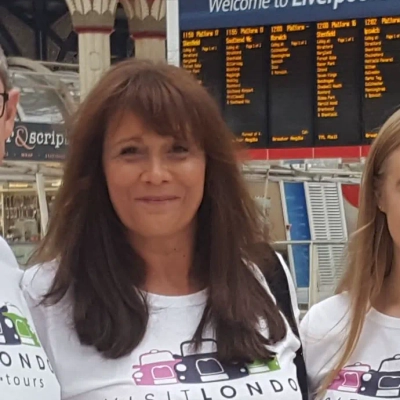
Answer With A Human Voice
My best tip is to respond in a genuine human voice. Guests often message when they’re unsure or stressed, especially around flight timings or mobility questions.
Example:
A guest was nervous about a layover connection. I explained exactly how we’d meet them, where the guide would stand, and the timing back to Heathrow. The relief in their reply was immediate — and they booked two more tours. Live chat is powerful when you use it to calm people, not just answer them.
Show Up Where People Gather
My go-to strategy is to be genuinely present in the community we serve, because trust is built faster face-to-face than it ever is through a sales script. Since we started with a hyperlocal focus, we have grown strong local networks by showing up at community events, supporting local groups, and staying close to what customers actually need week to week. For example, we nurtured a key client relationship by regularly meeting them on-site and staying involved in local industry gatherings, which turned us from a supplier into a reliable partner they called first when timelines got tight.

Set Expectations With Candid Detail
The way I build the customer’s trust is to be honest and open in the relationship about what we actually need for the study beforehand. Those were the types of volunteer programs I used to consider, such as when a large consumer products company was in need of focus group participants. I would phone each potential subject and detail schedule commitments, followed by following up throughout the recruiting process. This led us to a 95% show up rate and the client scaling their research program with us (and our annual revenue from that account increased 300%).

Co-Create Features With Customers
One effective strategy is to ask customers for advice on how to improve the platform. We are an AI analysis platform for market researchers. We have regular check-in meetings with many of our market research customers. We use those meetings to get suggestions from our customers on how to further automate their market research analysis. We then quickly implement their suggestions. Seeing their ideas become real features that they could use truly makes them very excited and thus creates very sticky relationships.

Leverage Golf For Deeper Dialogue
It was a combination of proactively checking in, keeping an eye on their overall marketing performance, and proactive invites to golf on a business day. Early on in my career, a mentor once told me that there are very few opportunities to get a client’s attention for 2-4 hours in a specific instance. Golf is a forum to do that.
We were able to talk about not only the marketing initiatives of the company but also the overall goals of the company/client. I was able to bring on a client after about a year and a half of utilizing this strategy.

Listen, Reflect, Clarify, Confirm
Active listening is our core strategy for building lasting client relationships. We use a simple “listen, reflect, clarify, confirm” approach in conversations to surface hidden priorities and tailor solutions that make clients feel heard. This has deepened trust and led to more closed deals.

Maintain Structured Check-Ins
One strategy we rely on is consistent account check-ins paired with quarterly reviews, with every touchpoint tracked in our CRM. With a major client, this structure let us learn their business in detail and deliver personalized solutions in cost reduction, risk management, and service escalations. The steady engagement built customer loyalty and deepened our partnership. It comes in especially useful if you need to transition the account manager paired with the client. The new account manager then has access to the historical context of the relationship as well as a steady cadence for future check-ins and meetings.