
17 Common Travel Mistakes to Avoid: Lessons Learned
Travel planning can feel overwhelming, but learning from common mistakes saves time, money, and stress on every trip. This guide compiles 17 practical lessons that frequent travelers and industry experts recommend to avoid pitfalls before and during your journey. From passport validity checks to packing strategies, these straightforward tips help ensure smoother experiences whether traveling for business or leisure.
- Confirm Six-Month Passport Validity before Travel
- Carry Local Cash for Everyday Purchases
- Match Lodging to Purpose and Location
- Set Realistic Timelines and Favor Fewer Sites
- Select RV Type for Group Needs
- Arrive Early and Verify Alternative Routes
- Leave Day One Flexible for Delays
- Ensure Solid Insurance plus a Medical Kit
- Build a Real Passage Plan with Alternates
- Pack Layers, Water, and Proper Mountain Footwear
- Time Card Applications for Double Credits
- Skip Checked Bags and Limit Family Excursions
- Check Destination Season and Weather First
- Save Key Trip Details for Offline Access
- Choose Corporate Housing for Month-Plus Stays
- Study Public Transit Prior to Arrival
- Submit Complete Documents Ahead to Prevent Holds
Confirm Six-Month Passport Validity before Travel
One of the most common travel mistakes people make is not realizing that many countries require your passport to be valid for at least six months beyond your return date. Unfortunately, I learned this the hard way.
A few years ago, I was flying from Los Angeles to Vancouver with my boyfriend. He printed his boarding pass at the airport kiosk with no problem, but mine wouldn’t print. The screen kept flashing “expired document,” which made no sense because my passport wasn’t expired yet.
It turned out my passport was set to expire in less than six months.
Many countries require your passport to be valid for at least six months beyond your return date, and airlines enforce this rule because they can face penalties if a traveler arrives without the required documents and is denied entry.
The airline wouldn’t let me check in or board the flight, and we had to cancel our trip entirely.
Now as a family travel blogger who has taken more than 25 flights with my kids, one of the first things I check before booking an international trip is that every passport is valid for at least six months beyond the return date.

Carry Local Cash for Everyday Purchases
Carry Cash
While it’s not essential for every country you’ll visit, there are still many destinations where carrying cash is necessary.
Buying street food is a great example. I once made the mistake of lining up for a long time at one of Singapore’s famed hawker centres to try a signature noodle dish, only to be left disappointed and hungry when I finally reached the front of the queue and discovered it was cash only.
Paying for taxis is another reason to carry cash while travelling. In a time when we’re accustomed to ordering Ubers, many countries still don’t widely use ride sharing apps, so you’ll need to catch a good old-fashioned taxi. After stepping off the plane in Fiji last year, I asked a taxi driver the fare to my hotel and he asked me if I had cash because he couldn’t accept card payment. Not wanting to pay airport ATM prices, I was lucky he accepted the last Australian note I had in my wallet. Unfortunately, that meant I overpaid, it would have been cheaper if I could have paid in Fijian Dollars.
Do your research before you set off to check whether you should carry cash and consider exchanging some local currency. You don’t want to be stuck at the airport without a taxi or missing out on trying the local street food.

Match Lodging to Purpose and Location
The biggest travel mistake I kept making, and the one most people still do, was choosing hotels based on star ratings and review scores alone.
For years I’d book the highest rated hotel in a city and end up disappointed. Not because the hotel was bad, but because it was wrong for that trip. A boutique design hotel perfect for a couples’ weekend is a terrible pick when you’re traveling with a toddler. A business hotel near the convention center is soul crushing when you’re trying to explore a city’s culture.
The lesson was simple but took me embarrassingly long to learn which is that context matters more than quality. A 4.2 star hotel in the right neighborhood, near the right amenities, matched to your actual travel intent, will beat a 4.8 star hotel that’s optimized for a completely different kind of traveler.
So the advice I’d give is that before you book, ask yourself why you’re traveling, not just where. The answer should shape every decision that follows.

Set Realistic Timelines and Favor Fewer Sites
One mistake I made early on — and still see travelers make all the time — is underestimating how long it actually takes to get between sites.
On paper, places can look quite close together in Egypt, but once you factor in traffic, security checkpoints, and the natural pace of travel, everything takes longer than expected. I’ve seen people try to fit Cairo, the pyramids, and a museum into one day, and end up rushing through what should be the highlight of their trip.
What I learned is that a well-paced itinerary is always better than an overpacked one. When you allow extra time, everything feels more relaxed, and you actually experience a place instead of just moving through it.
Now, I always tell travelers: do less, but do it well — it makes a far bigger difference than trying to see everything.

Select RV Type for Group Needs
As owner of DFW RV Rentals, I’ve delivered RVs nationwide for disaster displacements, coordinating 48-72 hour setups with insurance teams.
Early on, I placed a pop-up camper for a family of four after a flood; its minimal space and setup hassles turned their recovery into daily frustration over two weeks.
Lesson learned: Match RV type to needs–pop-ups suit solo trips, but families need travel trailers’ full kitchens and multiple sleeping areas for comfort.
Tip: List group size and stay length first; spacious options like fifth-wheels avoid cramped surprises.

Arrive Early and Verify Alternative Routes
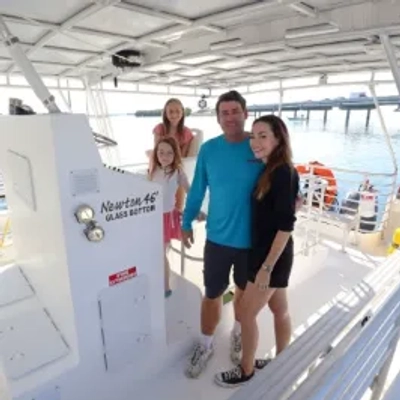
As a co-owner at Glass Bottom Boats of Islamorada (we run out of Robbie’s Marina), the most common travel mistake I made—and see guests repeat—is assuming you can “just show up” and still make a timed departure. I used to cut it close like an airport gate, and I learned boats don’t wait once the crew brief, headcount, and safety checks start.
Our tours require check-in 30 minutes before departure, and we run 2-hour trips at 9:30am, 12:00pm, 3:00pm, plus a night tour 20 minutes after sunset. I’ve watched families arrive 10 minutes before, then lose their spot because parking, walking through the marina, and getting everyone settled takes longer than people think—especially with kids or grandparents.
What I do now: I set an “arrival deadline” in my phone for 45-60 minutes before the boat leaves, not the departure time. It gives me time for parking, restroom, and (if you’re at Robbie’s) the inevitable “we have to stop and look at this” detours.
Bonus lesson from running a Seakeeper-stabilized boat: don’t assume “it’ll be fine” if the forecast looks iffy—call and ask what the plan is. On windy days we pivot from reef stops (Cheeca/Alligator/Caloosa) to calmer Florida Bay routes, and knowing that ahead of time sets expectations and saves a lot of frustration.
Leave Day One Flexible for Delays
I once made the mistake of planning some of the main things I wanted to do on a trip for the first day. The reason why this was a mistake was because my flight ended up being cancelled and I wasn’t able to make it onto another flight until 24 hours later. So, I missed the entire first day of my trip. I had to try to reshuffle my schedule and find ways to squeeze in the things I had planned for that first day at other times, which was difficult. There were a few things I just couldn’t reschedule (like a dinner reservation at a super hard-to-get-into restaurant). From that experience I learned to always leave that first day a bit more empty in case a travel hiccup occurs.

Ensure Solid Insurance plus a Medical Kit
Always have trusted medical insurance! The accident is a funny thing; it does not exist until it happens. And when it happens, time and quality matter.
I got very sick on a remote island of Vanuatu—the agent from the medical insurance did not provide any support. It was just my Embassy in Australia and the local people who took me to the hospital. Emergency lines that are supposed to work 24/7 in each country went silent!
Take antibiotics and a first aid kit with you whenever you go! It’s better to carry extra stuff than to suffer.
Take care of yourself 😉 We not only live once, we live each day 😉

Build a Real Passage Plan with Alternates
Biggest travel mistake I made early on: treating a passage like “just a longer drive” and not building a proper window + contingency plan. I learned this the hard way on my first big run after flying solo to Athens at 19—tall ship from Athens to Monte Carlo—where the ocean doesn’t care about your schedule, especially when you’re responsible for others onboard.
Now when I do yacht deliveries, I won’t depart until the boring stuff is locked in: correct charts/nav gear, working VHF, and emergency procedures briefed so everyone knows what happens if things go sideways. If any of that is fuzzy, you’re not “adventuring,” you’re gambling.
The lesson: don’t plan for the best-case day—plan for the day you lose an engine, the weather shifts, or someone gets seasick and you need a safe stop. I evaluate forecast patterns, crew numbers for days at sea, fuel budget/provisioning, and I map bailout points before we cast off; that single habit prevents most “we’re stuck and stressed” travel stories.
Practical tip: before any trip on water, write a one-page passage plan (ETD/ETA range, fuel burn, comms check, and 2-3 safe alternates) and treat it like a checklist, not a vibe. It’s the difference between feeling confident and feeling trapped when conditions change.

Pack Layers, Water, and Proper Mountain Footwear
When I first started working as a mountain guide in Kazakhstan, I often noticed the same mistake tourists would make — underestimating how quickly the weather can change in the mountains. In the Tian Shan mountains, conditions can shift within an hour. It might be sunny and warm in the morning, and then suddenly strong winds, rain, or even snow can roll in.
I’ve seen many travelers begin a hike in light clothing simply because it was warm in the city. They assume the hike will be short and easy. But once you gain altitude, temperatures drop quickly and the wind becomes much stronger. That’s when people realize how important it is to be prepared.
There are several other common mistakes tourists make in the mountains. Many arrive wearing regular sneakers with soft soles that don’t grip well on rocky trails. Others bring too little water or underestimate the distance and elevation of the hike. Some assume that if a route looks short on the map, it will be easy — but in the mountains things always feel very different.
After years of guiding, I’ve learned that the mountains follow one simple rule: it’s always better to carry an extra jacket or an extra bottle of water than to find yourself unprepared. Good preparation makes a hike not only safer, but much more enjoyable.

Time Card Applications for Double Credits
A common mistake I made was opening travel credit cards at random times and missing out on calendar-year benefits. I learned that timing matters because some cards tie annual credits to the calendar year rather than your cardmember year. By opening certain travel cards in December you can often take advantage of the same annual credit twice in a short period, an effect sometimes called the “triple dip.” For example, cards with a $200 airline credit can be redeemed across adjacent calendar years if you time enrollment right. I also discovered that opening a card before the holidays can give you immediate access to lounge benefits and travel protections when they matter most. My practical takeaway is to check whether credits are calendar-year based and consider applying late in the year to maximize the card’s first-year value.

Skip Checked Bags and Limit Family Excursions
We actually have two:
The Too-Long Excursion: We learned this one the hard way in Costa Rica. We booked a full-day excursion thinking more time meant more value, more to see, more everything. But by hour four, our son was done. Completely done. What should have been an incredible experience turned into us bribing a tired eight-year-old through the back half of the day. Now we cap excursions at three to four hours when kids are involved. A shorter, focused experience where everyone is present beats a marathon day of tears.
Skip Checking a Bag: For years we checked bags on every trip — it felt like the safe move with a child to ensure you have everything you need. Then one trip we were forced to carry on only, and it changed everything. No waiting at baggage claim, no $50 fees each way, no anxiety watching the carousel wondering if it made the connection. Everything we needed fit. Now we haven’t checked a bag in years, and we actually pack better because of the constraint. Whatever you think you need, you probably don’t or you can get at your destination.

Check Destination Season and Weather First
I booked a week-long trip to southern Morocco in August because the flights were cheap. Nobody told me it would be 47 degrees Celsius in the Sahara region that time of year. We spent most of the trip inside air-conditioned riads instead of exploring.
The lesson: cheap flights exist for a reason. Off-season in some destinations isn’t just “fewer tourists.” It’s genuinely uncomfortable or even dangerous weather conditions that locals know to avoid.
Now when I plan trips for clients at Sun Trails, seasonality is the first conversation, not the last. Morocco has four completely different climate experiences depending on the region and month. The coast is mild year-round. The interior desert is brutal in summer. The Atlas Mountains get snow in winter. The imperial cities are best in spring and fall.
My advice: before you book anything based on price, spend five minutes checking the actual weather data for your specific destination during your travel dates. Not “Morocco weather” in general. The specific city, the specific month. A three-hour drive in Morocco can mean a 15-degree temperature difference.

Save Key Trip Details for Offline Access
A travel mistake that taught me a lot was assuming I would always have reliable internet access when I needed important information. On one trip I had my hotel confirmation, transportation details, and even museum tickets saved in email and cloud apps. It felt organized at the time, until I landed in a city where the airport WiFi barely worked and my phone signal was inconsistent. Standing outside the airport trying to pull up an address or booking confirmation suddenly became stressful, and it made the first hour of the trip far more complicated than it needed to be. That experience changed the way I prepare for travel.
Now I make sure essential details are accessible offline and easy to reach. One trick that has worked surprisingly well is creating a simple QR code using Freeqrcode.ai that links to a single travel page or document with all my trip information. I keep that code saved on my phone and sometimes print a small copy inside my passport holder. Even if my inbox is cluttered or an app fails to load quickly, I can scan the code and instantly open the page that holds hotel addresses, reservation numbers, emergency contacts, and transportation instructions. It sounds like a small adjustment, yet it removes a lot of friction during those moments when you are tired, navigating a new place, and just need the right information without digging through ten different apps.

Choose Corporate Housing for Month-Plus Stays
A mistake I made early on: assuming “extended stay = hotel is fine” and not locking in a real living setup when I was going to be in Chicago for 30+ days. I’m a corporate housing specialist, and I’ve watched the same assumption quietly blow up budgets and routines for execs, medical travelers, and relocating families.
One real case: a client booked a nightly place (think short-term rental/hotel style) for what became a 60-90 day medical stay, and the add-ons piled up—cleaning/service fees, taxes, and constant meal costs because there wasn’t a full kitchen rhythm. When they switched into a furnished corporate apartment with a flat monthly rate (utilities + secured Wi-Fi included, full kitchen, often in-unit laundry), their costs stabilized and their day-to-day stress dropped fast.
What I learned: as soon as your trip looks like it could cross ~30 days, plan it like a temporary home, not a vacation. Ask upfront: “Is it a flat monthly rate or nightly with taxes/fees?”, “Is Wi-Fi/utilities included?”, “Do I have in-unit laundry and a real workspace?”, and “Can I extend month-to-month if my dates change?”
Also, don’t underestimate the ‘first-night problem’—arriving late and realizing you need basics.

Study Public Transit Prior to Arrival
My biggest travel mistake was not researching local transportation options before arriving in a new city. I once landed in Bangkok and assumed ride-sharing apps would work the same as at home. Instead I ended up paying triple the normal fare to a taxi driver who took the longest possible route. The lesson was that spending 30 minutes before any trip researching how locals actually get around saves both money and stress. Now I always check if the city has a metro system, what the standard taxi fares should be, and whether there are local transport apps that work better than international ones. This simple preparation has saved me hundreds of dollars across multiple trips and eliminated the anxiety of being taken advantage of as a tourist.

Submit Complete Documents Ahead to Prevent Holds
Over 30 years managing Doma Shipping, I’ve orchestrated thousands of relocations from the US to Poland, blending shipments with travel bookings.
My big mistake was once rushing a family relocation parcel without double-checking the detailed inventory list, leading to a 10-day customs hold in Gdynia despite air shipping’s usual 5–10 day delivery.
I learned to mandate full documentation—passport, visa, itemized lists—two weeks early; now our team preps everything, slashing delays and letting clients book synced flights worry-free.
Pair sea parcels (weeks-long) with flexible travel; use our tracking to time arrivals perfectly and avoid stranding belongings.